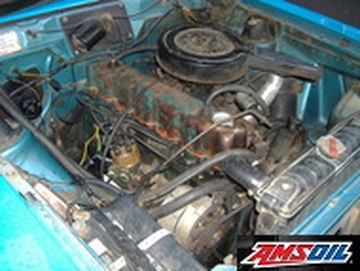
Engine Lubrication and Maintenance for the 1981 Jeep CJ-7 5.0L
Maintaining a vehicle like the 1981 Jeep CJ-7 requires a proactive approach to mechanical care, particularly regarding the lubrication systems that support the 5.0L engine. Because older engines often operate under different thermal and mechanical stresses than modern counterparts, consistent monitoring of fluid health and component integrity is essential for long-term operation.
Monitoring Fluid Integrity and Potential Leaks
One of the most effective ways to monitor the health of a 5.0L engine is through regular visual inspections of the engine bay and undercarriage. For an owner of a 1981 Jeep CJ-7, identifying changes in fluid behavior early can prevent more significant mechanical issues. It is helpful to look for signs of seepage or active leaks around various sealing surfaces.
When performing routine checks, observe the following:
- Sealing Surfaces: Inspect gaskets and seals for any evidence of weeping or oily residue. Even minor seepage can indicate that a seal is beginning to lose its effectiveness due to age or heat cycles.
- Fluid Appearance: If you are checking the oil level, take note of the color and consistency of the lubricant. While some discoloration is normal after extended use, significant changes in texture or an unusual smell may warrant further investigation.
- Undercarriage Inspection: Periodically check the area beneath the vehicle for fresh spots of fluid, which can help pinpoint where a leak might be originating.
It is important to remember that many symptoms, such as a small puddle or an oily residue on a component, can have multiple causes. Rather than assuming a specific part has failed, these observations should serve as prompts for a more detailed inspection.
Managing Maintenance Records and Baselines
For those managing the long-term ownership of a 1981 Jeep CJ-7, establishing a clear maintenance baseline is highly beneficial. If you have recently acquired the vehicle or if service history is incomplete, your first priority should be to document the current state of all vital fluids and mechanical components.
Creating a reliable record involves more than just noting when an oil change occurred. A comprehensive log should include:
- Service History: Documenting previous repairs, part replacements, and fluid changes helps you identify patterns in the vehicle's behavior.
- Observation Logs: Noting when you first see a minor leak or hear a new sound allows you to track whether a condition is stable or progressing.
- Component Condition: Recording the age or condition of items like hoses (if present) or electrical connections can help you move from reactive repairs to more organized, preventive maintenance.
By maintaining these records, you can distinguish between necessary repairs and unnecessary parts replacement. This data-driven approach allows you to prioritize tasks based on actual vehicle needs rather than making assumptions based solely on the age of the engine.
Observing Potential Warning Signs
While routine inspections are the primary defense, certain symptoms should prompt more immediate attention. In a 5.0L engine, changes in how the vehicle operates can be early indicators of lubrication or cooling issues.
If you notice unusual mechanical noises during operation, it is wise to investigate the source. Similarly, any unexpected changes in lubricant consumption—meaning you find yourself needing to top off fluids more frequently than before—should be addressed. If the engine exhibits signs of overheating, such as temperature gauge fluctuations, this warrants an immediate check of the cooling system and all associated components.
Always treat new or changing symptoms with caution. A single symptom does not provide a definitive diagnosis; for example, an odor that suggests oil is contacting a hot surface could be caused by several different factors ranging from a minor leak to a misplaced component. Professional inspection is often the best course of action when a new symptom arises.
Prioritizing Service Tasks as the Vehicle Ages
As a 1981 Jeep CJ-7 continues to age, maintenance priorities may shift. Rather than following a rigid schedule that assumes every part wears out at the same rate, it is more effective to prioritize tasks based on the current condition of the vehicle.
Effective prioritization involves addressing active concerns first. If there is evidence of an active leak or if a warning sign has been identified, these should take precedence over general preventive maintenance. Once immediate issues are stabilized, focus can shift to monitoring aging materials. This includes inspecting accessible belts, if equipped, for signs of cracking, glazing, or fraying, and checking the condition of any visible hoses.
This condition-based approach ensures that your maintenance efforts are directed where they will have the most significant impact on the vehicle's reliability. It also helps in managing the costs associated with maintaining a classic engine by avoiding the replacement of components that are still performing within acceptable parameters.
Selecting Lubricants for Engine Longevity
The choice of engine oil is a critical component of 5.0L engine care. While modern lubricants offer various formulations, it is essential to select a product that aligns with the specific requirements of your application. When considering different types of oil, keep the following in mind:
- Formulation Options: You may encounter conventional oils, synthetic blends, or full synthetic oils. Some high-mileage oil formulations contain additives intended for use in aging engines, and some high-mileage formulations include seal-conditioning additives.
- Quality Standards: Always look for appropriate API certifications on the product packaging to ensure the lubricant meets modern performance standards for cleanliness and protection.
- Thermal Stability: A good lubricant should maintain its integrity under the operating temperatures experienced by your engine, providing consistent protection against oxidation and deposit buildup.
When you are ready to perform service, always match the engine oil to the application-specific viscosity information shown on this page. Do not rely on general knowledge or assumptions about what a 1981 engine might need; instead, use the specific data provided in the vehicle's technical documentation.
Practical Advice for Buying Engine Oil for your 1981 Jeep CJ-7 5.0L
When you are ready to purchase new lubricant, the most important step is to verify that the product matches the application-specific requirements listed in the technical data above. Because this vehicle requires specific lubrication characteristics, avoid making assumptions based on the engine's age or displacement.
Before completing your purchase, check the product labels carefully. Ensure the oil meets the necessary API service categories and, most importantly, match the oil to the application-specific viscosity information already displayed on this webpage. Whether you choose a conventional, synthetic blend, or high-mileage formulation, the primary requirement is that it adheres to the specific technical parameters designated for this 5.0L engine.